Translation Management System for Multilingual SMEs
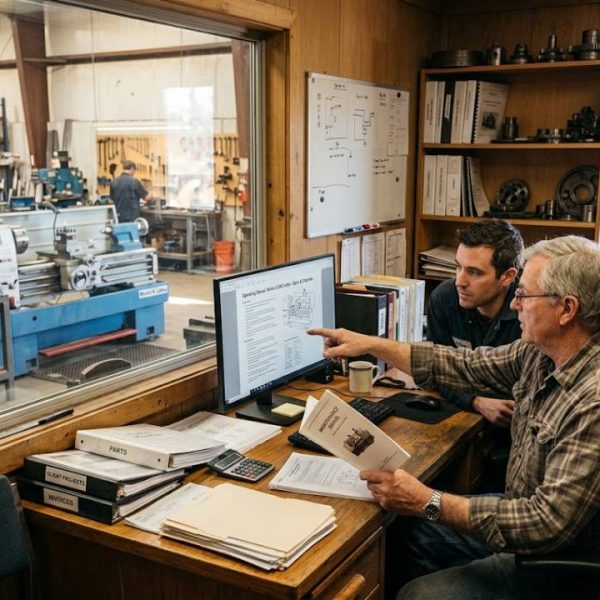
Large corporations have localization departments, dedicated project managers and enterprise software. Small and medium-sized enterprises usually have none of that. Yet many SMEs, especially in export-oriented regions, work in three or four languages every day. A machinery maker near a border might produce manuals in German, Dutch, French and English, answer customer emails in all four and run a website in each. Without a system, translation quickly becomes a hidden drain on time and money.
This article explains what a translation management system is, why it matters for SMEs and how to introduce one without overcomplicating things.
What Is a Translation Management System
A translation management system, or TMS, is software that organises the translation process. It stores source content and translations, keeps a translation memory of approved sentences, manages glossaries of key terms, assigns work to translators and reviewers, and tracks progress. Most modern systems are web based, so translators, colleagues and agencies can work together in a browser without installing anything.
The Typical SME Problem
In many SMEs, translation happens ad hoc. Marketing sends a brochure to one freelancer, the technical department sends a manual to an agency, sales asks a bilingual colleague to translate a quote. Nobody knows which translations already exist, product names are translated differently in each document, and the same sentences are paid for again and again. Updates are especially painful, because it is unclear which parts of a document changed and which language versions are current.
How a TMS Helps
- One central place for all translations and source files
- Translation memory that reuses approved sentences automatically
- Glossaries that keep product names and technical terms consistent
- Clear workflows from translation to review to approval
- Transparency on cost, progress and deadlines
Beyond organizing files, a TMS brings much-needed discipline to the quality steps that busy teams tend to skip under deadline pressure. Instead of treating review as an afterthought, the system routes every translation through a defined sequence of checks. The most critical of these is a dedicated round of proofreading and editing.
Starting Small
SMEs do not need to transform everything at once. A practical approach is to start with one content type, such as product documentation or the website, and one or two languages. Import existing translations to build the first memory, agree on a short glossary and connect your main translation partner. Once that works, extend to other content and languages.
Working With External Partners
Most SMEs rely on external translators or agencies. A web based translation management system lets these partners work directly in your environment, using your memory and glossary. That means your linguistic assets stay with your company, even if you change suppliers. When you order German translation services or Russian English translation for new markets, every translator starts with the same terminology.
For many SMEs, the practical answer to external multilingual support is a translation agency that combines language expertise with structured workflows. A good agency assigns the right specialists to each content type, applies your terminology and memory, and returns consistent results across markets. This partnership model works especially well when internal capacity is limited, because the agency handles quality control and deadlines on your behalf. Over time, the relationship deepens as the agency learns your products, tone and regulatory requirements.
Support for International Growth
European programmes help SMEs expand abroad. Networks such as the Enterprise Europe Network offer advice on international partnerships and market entry. Localized content is a key part of that expansion, and a TMS makes it sustainable as the number of markets grows.
Machine Translation, Used Wisely
Many translation management systems include machine translation. For SMEs, this can be useful for internal documents, customer emails or first drafts of large technical texts, always followed by human review. For contracts, marketing and safety-relevant content, professional human translation remains the safer choice. A good TMS lets you decide per project, so you benefit from speed where it is appropriate without risking quality where it matters.
Who Owns the Process
Even a small company should appoint one person as the owner of translation. This person manages the glossary, coordinates with external partners, sets priorities and makes sure new content is sent for translation on time. It does not have to be a full-time role. What matters is that someone keeps an overview, because tools only deliver their full value when they are maintained and used consistently across departments.
Costs and Savings
Cloud-based systems are usually priced by subscription and scale with your needs. The savings come from reusing translations, reducing coordination time and avoiding errors. For companies that translate regularly, the investment often pays for itself within the first year. Just as important are the softer benefits: fewer last-minute emergencies, clearer responsibilities and more consistent communication with customers.
What to Look For
A short trial with a real project is the best way to test whether a system fits your team.
For SMEs, the best translation management system is one that is easy to use, quick to set up and flexible enough to grow. Key features include browser access, support for common file formats, translation memory and terminology, simple workflows, and integrations with your website or CMS. Avoid systems that require long implementation projects or dedicated IT staff.
The Wordbeam translation management system is one example of a cloud platform designed to be practical for smaller teams while offering the core features of larger systems.
The Takeaway
Multilingual work is a reality for many SMEs. A translation management system turns scattered, repetitive translation tasks into an organised process, saving money, protecting quality and supporting growth into new markets.